
1. Credit history
Your credit history is indicative of your future repayment behaviour based on your pattern of settling past loans. It helps the bank to know if you will be punctual and regular with your payments. Any default or delay in the past is investigated – the longer the delay, the lower your score will probably be.
However, this parameter is not worth it if you don’t have a credit history as there is no premise to assess, such as no Credit Card or Loan in the last two years. To start building your credit history, you may begin by using a Credit Card and clearing all dues in time.
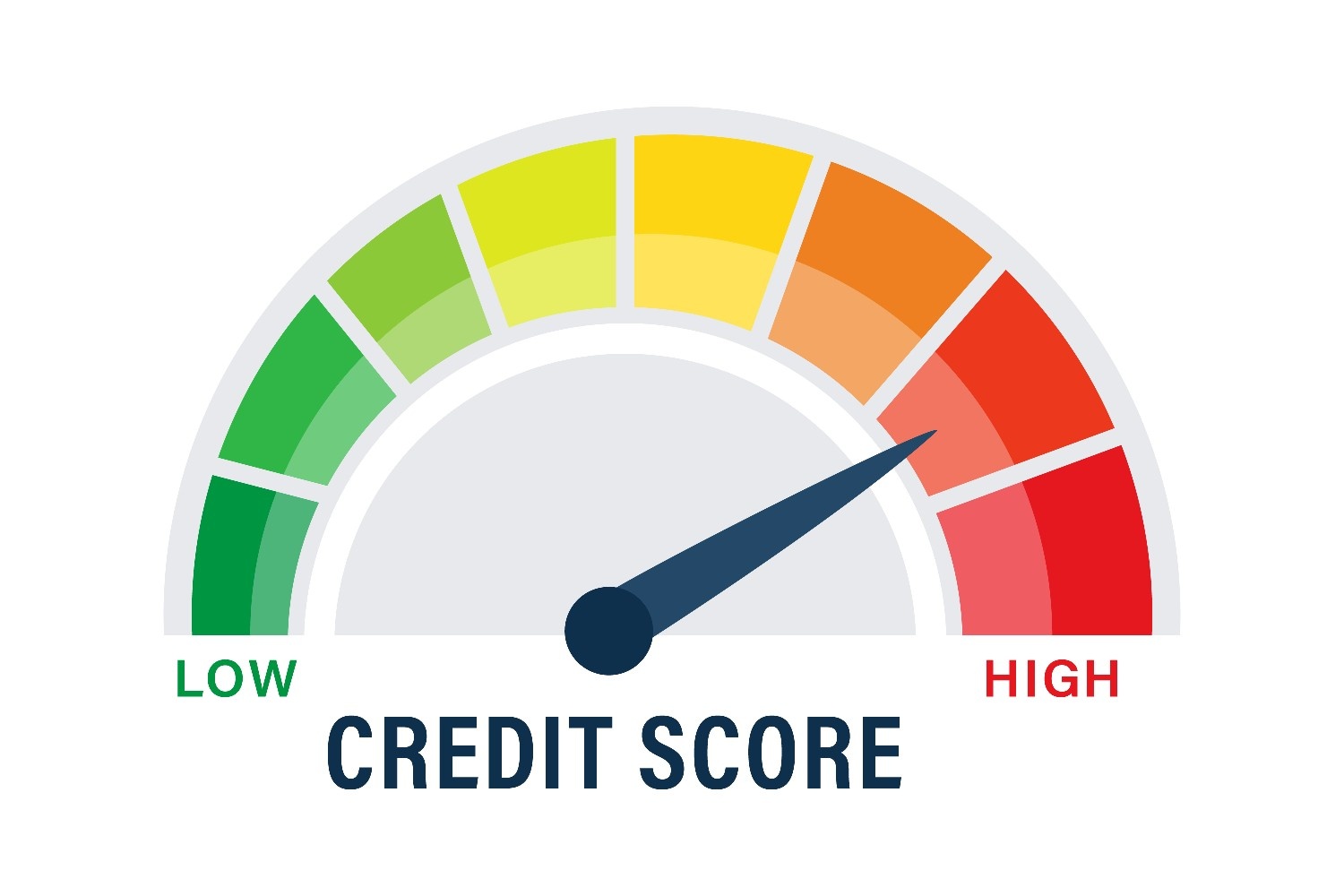
Generally, a credit score between 700 and 800 is positive. That means you are likely to be favoured as a safe applicant with a clean history devoid of any repayment defaults. On the other hand, a credit score of less than 300 will increase the likelihood of your application being rejected. Specialised bureaus such as CIBIL are a source of credit scores that banks seek information from to assess your creditworthiness.
2. Work experience
Banks weigh your employment history and current engagement to ensure that your source of income is reliable. A bank wants to ensure that your employer is financially sound, with no history of outstanding or delays in paying employees their salaries. Stability of your job matters, too. Therefore, government jobs have the advantage of being perceived as safe compared to lesser-known private companies or self-employment.
If you work with an eminent institution such as a blue-chip company, your chances are equally good. Professionals such as doctors, CAs, engineers, and lawyers are also considered safe. The idea is that your capacity for repaying the loan depends on your income, so its source needs to be reliable and consistent. Banks prefer applicants who have worked longer in their present employment, as it establishes stability.
3. Age
Your age matters because it is indicative of your financial stability. You start working in your 20s, and by the time you turn 30, you will have five or six years of work experience. So you are financially stable and moving up the proverbial corporate ladder with a better salary. As you progress further in the next 20 or 30-odd years, you will have fewer earning years to repay your loans. Therefore, a loan application in your retirement years is likely to be rejected.
4. Income
As already mentioned, your income represents your repayment capacity. Banks assess your income capacity in the backdrop of existing debt obligations, dependents, source, and duration. In this context, one of the many things the bank checks is a sufficient surplus in your bank account after EMI payments. The bank will think you are stretched too thin and might not repay if this is too low. However, the bank will see you as financially healthy if the ratio is five times or more.
Similarly, many banks prefer applicants who have filed their IT returns and paid tax rather than those who may have filed returns with no tax liability as their income wasn’t taxable.
Your eligibility improves if you can show additional sources of income, such as your spouse’s salary. This indicates better repayment capacity as you have more than one source of income to tap into. Joint loans are offered for the same reason – combining the applicant’s and co-applicant’s monthly salaries presents more income to afford a higher loan.
5. Repayment
If you choose a shorter repayment period, you have a better chance of getting the loan approved. Several banks favour applications for a repayment period of up to five years. The score reduces as the repayment period increases in five-year slabs – 10, 15, 20, and 25 years. So, keeping it short is the mantra in seeking approval from a bank for a loan. However, stretch your repayment period if you have an average income that can increase the debt-to-income ratio significantly for short-term loans.
Related Posts
Credit Score Basics for Mortgages: What Lenders Look for Beyond the Number
ou check your credit score and see 680—right in the…